Finland is one of the most consistent European countries in the development of youth policy. Almost a third of its population is under the age of 29, and youth policy is integrated into the public administration system in such a way as to be consistent with national priorities and support the sustainable development of communities.
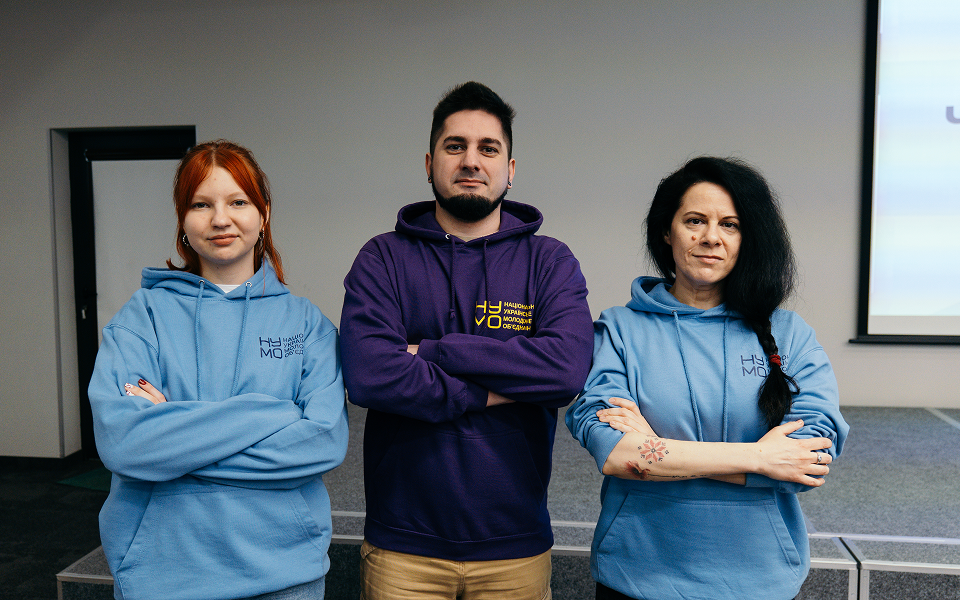
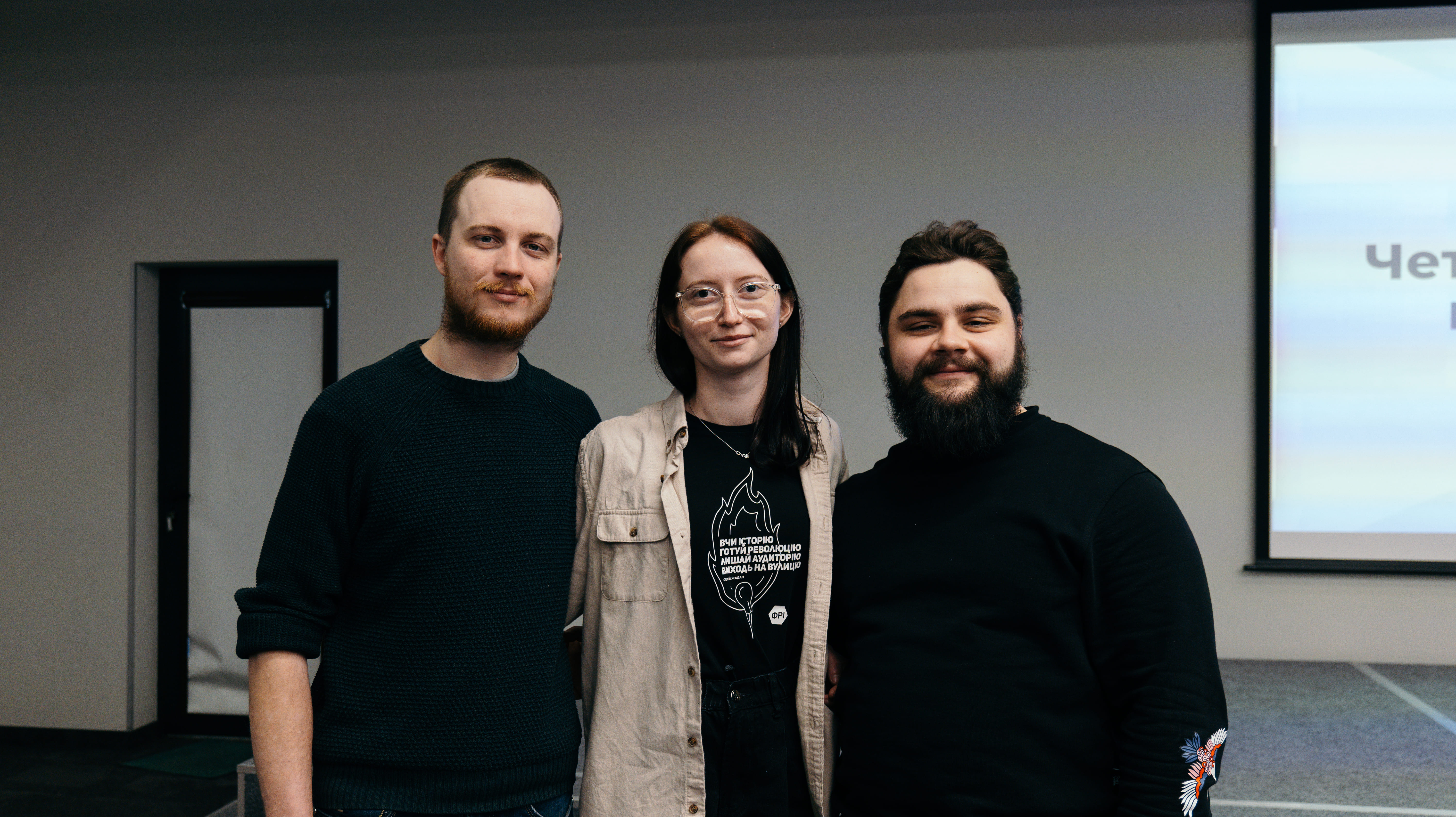
The Rivne regional team of NUMO studied how Finland provides youth organizations with stable financial instruments, professional support, and municipal autonomy, and guarantees young people real mechanisms for influencing decision-making.
Governance system and the role of young people
The Ministry of Education and Culture is responsible for shaping national youth policy, which is implemented through 309 municipalities. They have autonomy in determining forms of support but are required to provide youth work as a basic service. The 2016 Youth Act guarantees young people the right to participate: each municipality has a youth council, and at the national level, there is a State Youth Council that analyzes policy and makes recommendations to the government.
Funding and institutional support
In 2025, the state allocated €71.4 million to youth work, of which €18 million was for supporting non-governmental organizations. The system provides for two types of funding:
- General grants (yleisavustus) — cover fixed costs: staff, office, administration.
- Special grants (erityisavustus) — support individual projects, programs, and international cooperation.
Organizations can receive both types of support provided they meet the criteria of transparency, inclusiveness, and social impact.
At the community level, €184 million was allocated to youth work in 2024 — an average of €106 per young person. This ensures the operation of youth centers, salaries, camps, and local initiatives, making support sustainable even in the smallest municipalities.
Transparency and evaluation criteria
The Ministry evaluates funding applications based on four indicators: quality of youth work, coverage and inclusiveness, innovation and sustainability, and financial integrity. Preference is given to organizations that work for the benefit of a broad youth audience.
All funding information is available on the nuorisotilastot.fi portal, where you can view grant recipients, funding amounts, and the number of young people involved. This level of openness strengthens trust between the state and the youth sector.
Traditions of public funding
For many years, 9% of the profits from gambling through the Veikkaus lottery were allocated to youth policy. Although these funds are now integrated into the state budget, the mechanism has been preserved as part of the tradition of public support for young people.
Youth organizations and leadership
There are about 150 national youth organizations and hundreds of local clubs operating in Finland. Among the largest are Suomen Nuorisoseurat (287,000 members), Finnish Scouts (56,000), and 4H-liitto (180,000). The umbrella organization Allianssi represents the interests of more than 140 structures.
Youth leaders—young people who organize events, run clubs, and act as mentors—occupy a special place in the system. This is considered an important tool for developing civic competencies and engaging young people in public activities.
The Finnish model of youth policy is based on partnership between the state and young people, stable funding, and transparency. It demonstrates that investments in youth institutions and participation mechanisms create long-term results and form a trusting, effective, and sustainable support system.
Upon request, we will send you the full text of the study. To receive it, please contact us by email at: [email protected]