Slovenia is a small country with a population of 2.1 million, but at the same time it is one of the European countries with the most consistent system of support for young people. Its model combines a legislative framework, strong institutions, and real mechanisms for youth participation at all levels of government.
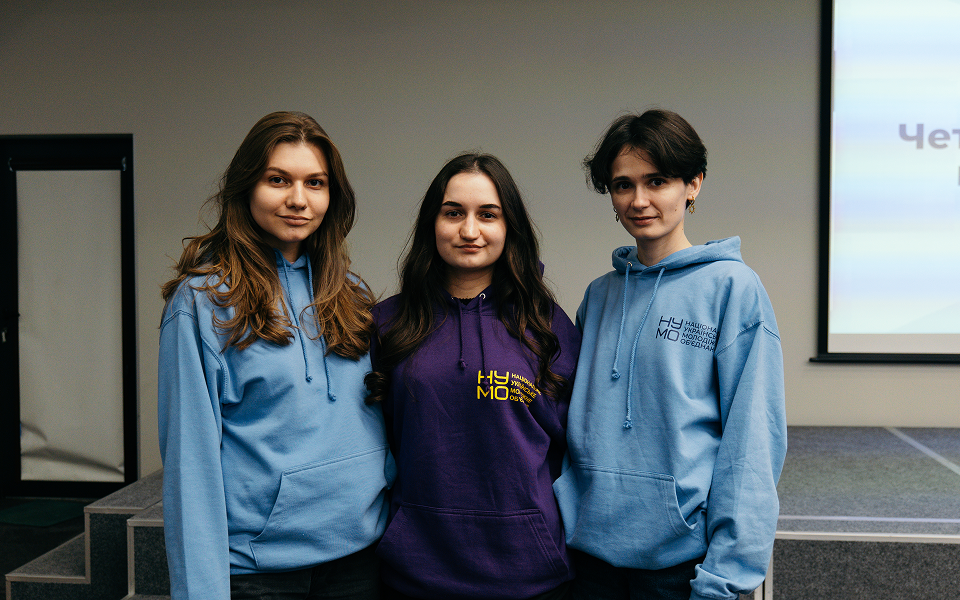
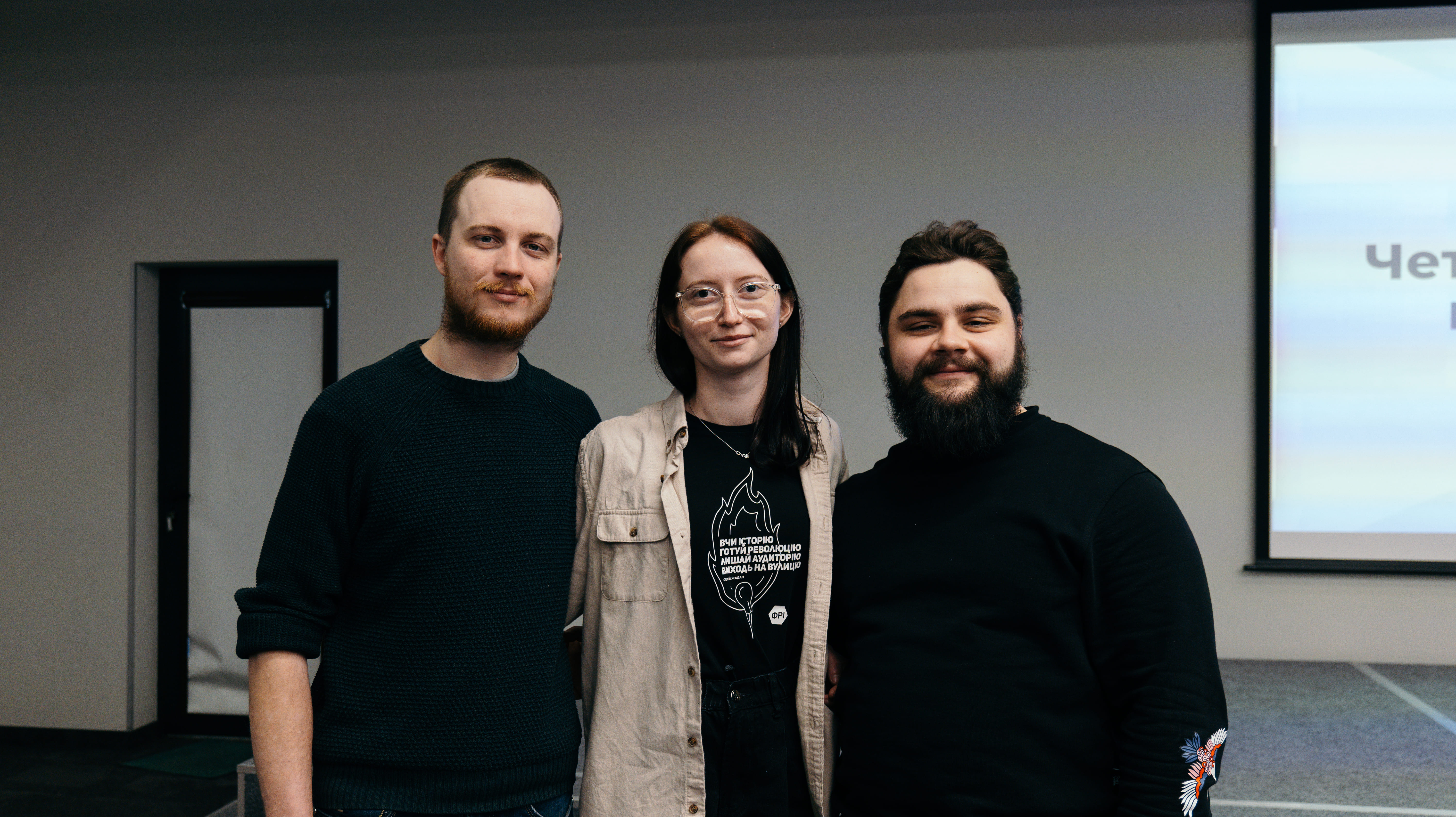
For the Kharkiv regional team of NUMO, this study was an opportunity to see how a compact country has built a transparent, effective, and sustainable youth ecosystem.
Youth participation at the national level
Youth policy is coordinated by the Government Council for Youth (Svet Vlade RS za mladino) through a government body, the Youth Office (Urad RS za mladino). The Council includes representatives of ministries and youth organizations who participate in consultations, develop proposals for state programs, and monitor their implementation.
At the local level, young people are involved through national and municipal youth councils, such as the Youth Council of Slovenia. They advise authorities, influence budgetary processes, and initiate decisions affecting young people. This approach creates a model of co-governance, where youth policy is created together with young people, not just for them.
Legislative reforms and new funding rules
An important step was the reform of the law on non-governmental organizations — Zakon o nevladnih organizacijah (ZNOrg), adopted in 2018. It updated the rules for funding NGOs, introduced transparency, mandatory publication of reports, and requirements for the long-term sustainability of their work.
One of the key mechanisms was the status of v javnem interesu — for organizations working in the public interest. It provides tax breaks, access to competitions, and the opportunity to receive up to 1% of citizens' income tax. At the same time, organizations must comply with reporting and transparency standards.
The main funding tool is javni pozivi, or open competitions, through which state bodies, municipalities, and thematic funds support youth organizations. In 2023, 212 municipalities in Slovenia allocated approximately €139.09 million to NGOs, demonstrating the importance of the local level in shaping youth policy.
At the same time, international and European programs are in place, including:
- Active Citizens Fund / EEA & Norway Grants
- ESF+ / Cohesion
- Erasmus+ / MOVIT
They provide additional resources for the development of youth centers, participation, and innovative projects.
Institutional support as the basis for sustainability
Slovenia actively uses institutional grants that support not only individual initiatives but also the strategic development and operational sustainability of organizations.
The Active Citizens Fund finances the strengthening of structures, professional development of teams, and effective management models.
Such grants require clear strategies, measurable results, and audits, but in return ensure the long-term stability of NGOs.
In 2024–2025, the Civil Society Fund (Sklad za civilno družbo) will be established as an instrument for systematic, multi-year, and targeted support for civil society. It will combine competitions, institutional funding, and capacity building, helping organizations break out of the cycle of short-term grants.
Transparency and accountability
The Slovenian model is based on openness: state funds are required to publish reports, and their activities are monitored by supervisory boards. More than €10 million is allocated annually to support the youth sector, and all results are available on the Urad RS za mladino website.
The Slovenian experience shows that when institutional support, open funds, and real mechanisms for youth participation work together, a sustainable and effective youth policy is formed. This model creates strong organizations, active communities, and a stable civil society in which young people have influence and opportunities for development.
Upon request, we will send you the full text of the study. To receive it, please contact us by email at: [email protected]