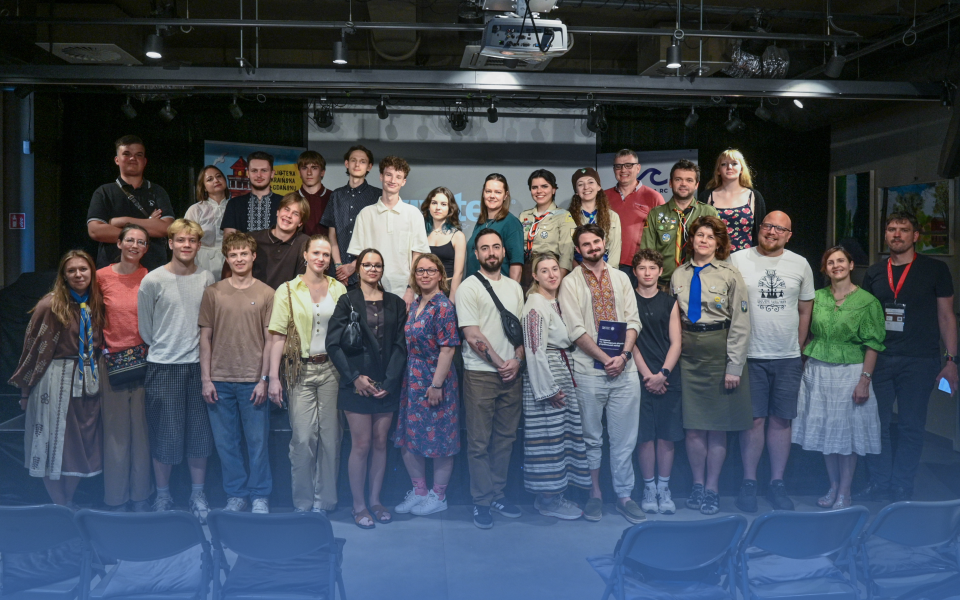
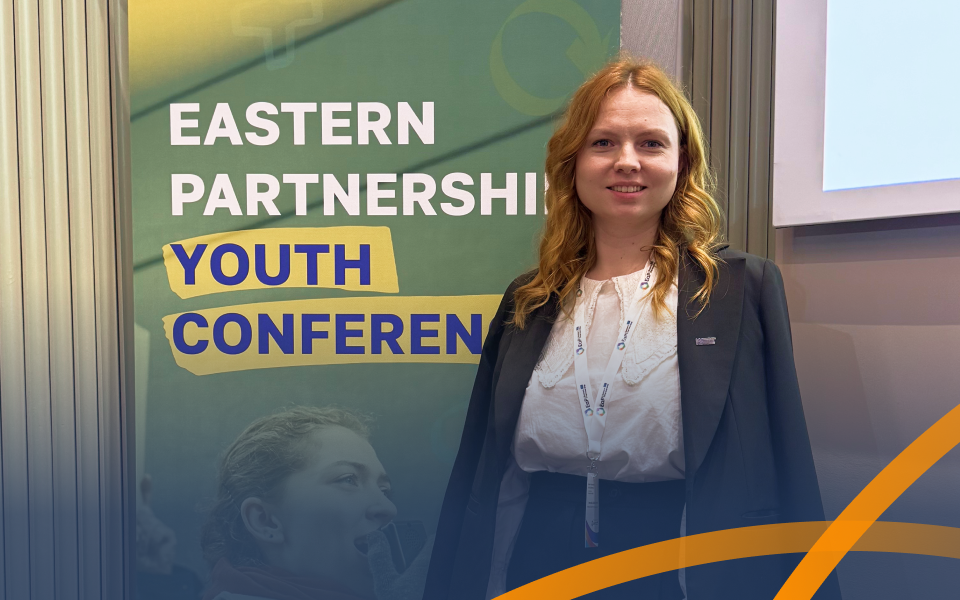
On October 1, an international online conference entitled «European Youth Work in Wartime: Opportunities for German-Ukrainian Youth Exchanges» was held. The event was organized by the National Ukrainian Youth Association (NUMO) in cooperation with IJAB — International Youth Service of Germany.
The conference brought together representatives of NUMO, IJAB, the German-Polish Youth Office, the Association of Youth Centers, as well as Ukrainian and German experts working with young people. Participants from both countries discussed key challenges in youth policy during wartime, opportunities for international exchanges, and ways to support Ukrainian youth communities.
«War is terrible, but it has shown the power of youth work. Ukrainian leaders and young people prove every day that this field is an indispensable tool, even in the most difficult conditions. Such meetings create a sense of unity and genuine belonging to Europe, building bridges of solidarity and support».
Executive Director of NUMO
Olena Podobed-Frankivska
IJAB Director Daniel Poli emphasized:
«Ukrainian youth live under sirens and shelling, but they continue to act. This strength needs allies, so exchanges must create spaces for European support and solidarity».
Yuriy Yuzich, a member of the NUMO Supervisory Board, outlined the scale of the challenge:
«Since the invasion, we have lost almost half of our young people: some left the country, some remain under occupation, and about 20% are currently serving in the Armed Forces. Youth centers and councils exist, but there are too few of them to meet the needs of young people. Despite this, it is young leaders who are holding the front line — both in the war and within their communities».
Veronika Dyakovich, Operations Director at NUMO, drew attention to the critical funding situation:
«At the state level, about 5 hryvnias per year are allocated per young person. Two-thirds of communities have no funding for youth policy at all, which makes support for young people largely formal».
During the conference, participants discussed various models of youth work, shared examples of local and international partnerships, examined the structure of youth work in Germany, and explored the experience of trilateral exchanges. Special attention was paid to the financing of youth programs and the development of partnerships between Ukrainian and European organizations.
The conference demonstrated that Ukrainian and European partners share similar priorities in working with young people. This common understanding of challenges and opportunities paves the way for effective cooperation that can address pressing youth policy issues and create spaces of support for Ukrainian youth in the context of war.