Institutional support for youth organizations is a key element of France's youth policy. This approach allows for the retention of permanent staff, ensures stable operations, and allows resources to be focused on working with young people rather than on seeking funding. As a result, the state gains reliable partners for implementing its policies, and organizations gain opportunities for sustainable development.
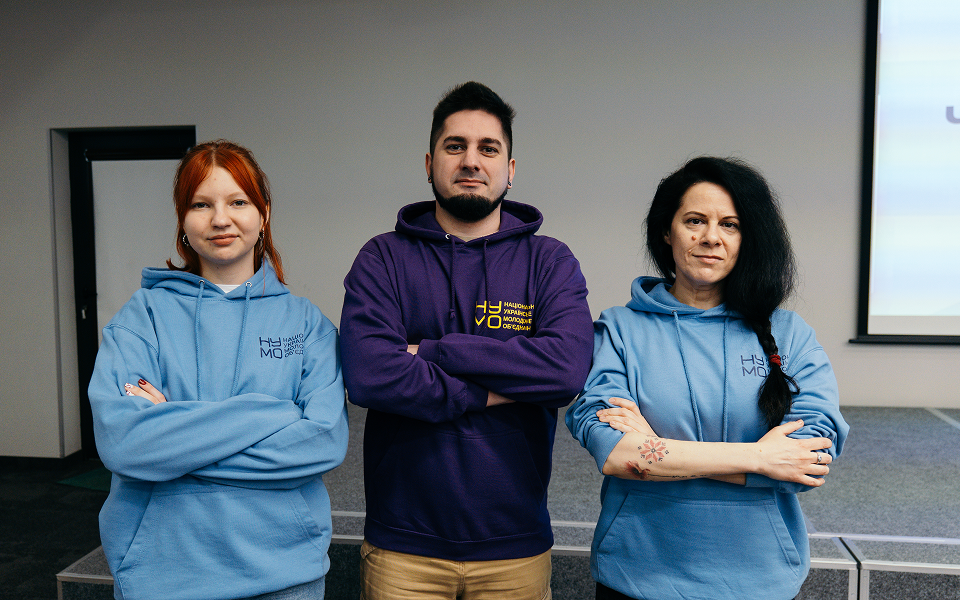
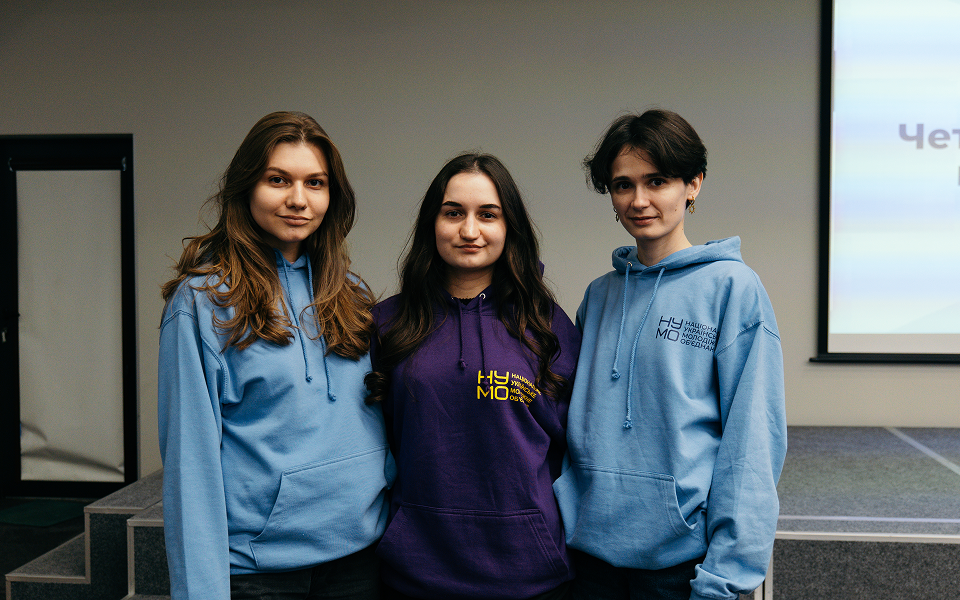
It was this model that the Ternopil regional NUMO team studied during its research on the French experience.
The role of youth organizations in the public policy system
In France, youth organizations are considered full-fledged partners of the state and play an important role in the implementation of state programs. According to the National Institute for Youth and Non-Formal Education (INJEP), more than 40% of young people aged 16–30 are members of various organizations, making this sector the most widespread form of youth self-organization.
Classification of organizations as a basis for partnership
In France, there is no separate law on youth organizations, but there are clearly defined classification criteria. They allow the state to understand the level of partnership and determine funding opportunities. Meeting the criteria opens the way to participation in state programs, formalization of cooperation, and involvement in decision-making processes.
Key statuses include
- JEP (Jeunesse et Éducation Populaire) status — confirms that the organization works with young people, has democratic governance, and acts in accordance with republican values.
- RUP (Reconnaissance d'Utilité Publique) status — the status of a socially useful organization with high standards of transparency, non-profitability, and proven social benefit. It is granted by the French Council of State and approved by the government.
Institutional support tools
Funding for youth organizations is coordinated by the Fund for Cooperation in Youth Affairs, Extracurricular Education, and Community Life (FONJEP). Its tools ensure long-term and systematic support.
The main mechanisms are:
- “FONJEP posts” — payment of employees
The fund partially finances the salary of one employee of the organization.In 2024, the support amounted to €7,164 per year, and the mechanism itself is valid for three years with the possibility of extension to nine. Organizations with JEP status can obtain such a post.
- Coverage of operating costs
Organizations with RUP status can receive up to 50% of annual funding to cover expenses: rent, accounting, administration, network management. The distribution of funds is carried out by FONJEP, and funding comes directly from the state budget.
Open management and transparency
The fund is managed by a board of directors, approximately one-third of whom are representatives of state ministries, and the rest are delegates from national youth organizations. This structure allows the interests of the sector to be taken into account and the transparency of the mechanisms to be maintained.
The fund publishes a detailed report every year. In 2023, FONJEP supported 9,078 positions in 5,562 public organizations, with a budget of approximately €65 million, of which €51.8 million came from the state budget.
Upon request, we will send you the full text of the study. To receive it, please contact us by email at: [email protected]